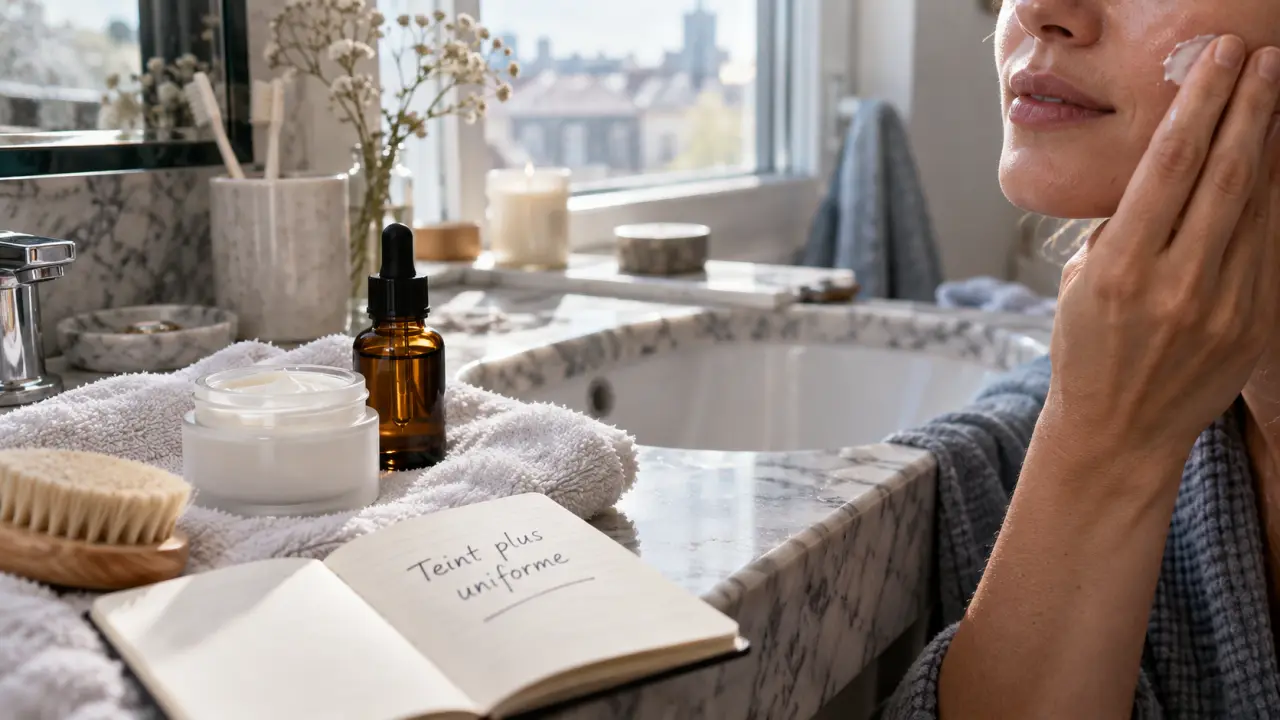
Wanting fairer-looking face skin often means hoping to reduce a tan, dullness, dryness, or dark patches. Your natural skin colour is largely shaped by melanin and genetics, so it cannot be safely or permanently changed. A more realistic goal is skin that feels comfortable and looks hydrated, fresh, and more even.
Know what is making your complexion look uneven
“Fair” can describe several different concerns: a temporary tan after sun exposure, grey-looking dryness, acne marks, dark spots, or patchy pigmentation. These concerns need gentle care rather than harsh whitening products. Melanin helps protect the skin, while UV exposure, inflammation, hormonal changes, and irritation can trigger extra pigment in certain areas.

Dry skin may look ashy or uneven because its protective barrier is not holding enough water. Oily or acne-prone skin may develop post-inflammatory hyperpigmentation after spots heal. Melasma commonly appears as symmetrical darker patches and can be influenced by hormones. Identifying the main concern helps you choose a routine that supports your skin instead of over-treating it.
Build a simple routine that protects brightness
Morning: cleanse gently, moisturize, protect
Wash with a mild cleanser and lukewarm water to remove overnight oil without leaving your face feeling tight. Apply moisturizer while your skin is still slightly damp. This helps retain moisture and can make the surface look smoother. Dry skin may prefer a richer cream, while oily or combination skin may feel more comfortable with a light, non-greasy lotion or gel.
Finish with a broad-spectrum sunscreen every day, including on cloudy days. Apply it to your face, ears, neck, and any exposed area of your chest. Sun protection is the most important step for limiting further tanning, sun spots, and uneven pigmentation. Seek shade when possible and wear a hat during prolonged outdoor exposure.
Evening: remove the day without scrubbing it away
Cleanse away sunscreen, pollution, and makeup, then moisturize again. If you choose a corrective skincare product, introduce only one at a time and follow its directions. Ingredients such as niacinamide or vitamin C are often used in brightening skincare, but a simpler routine is usually better when your skin is sensitive, dry, or already irritated.
Notice when “trying harder” starts to make your skin sting, peel, or feel persistently tight. At that point, extra exfoliation and stronger masks can disrupt the skin barrier. This inflammation may leave marks that are more visible. Pausing active products and returning to gentle cleansing, moisturizer, and sunscreen is often more helpful than adding another treatment.
Choose home ingredients carefully, not aggressively
Natural ingredients can feel soothing or enjoyable, but they are optional additions, not replacements for sunscreen and consistent moisturizing. Their effects on pigmentation vary, and an ingredient that suits one person can cause irritation or breakouts in another. Always consider your skin type and sensitivity before applying a home remedy.
| Option | May suit | Practical caution |
|---|---|---|
| Aloe vera gel | Skin that feels warm, dry, or uncomfortable | Choose a simple formula and patch-test first. |
| Oats or colloidal oatmeal | Dry or sensitive-feeling skin | Use gently; do not rub a drying paste from your face. |
| Honey | An occasional softening mask for non-reactive skin | Patch-test and stop if itching or redness occurs. |
| Cucumber | A cool, temporary refreshing effect | It will not remove deep pigmentation or change your natural tone. |
| Coconut oil | Very dry skin that tolerates oils | It may feel too heavy for acne-prone or oily skin. |
Be especially cautious with lemon juice, orange peel, strong turmeric mixtures, and rough grain-based scrubs. Citrus can irritate the skin and may make sun sensitivity a concern. Avoid applying undiluted citrus to your face, and never use a remedy that burns or causes strong tingling. Do not exfoliate when your skin is dry, flaky, sunburned, or damaged.
Support your skin beyond the bathroom shelf
Skin can look duller when sleep is poor, hydration is low, smoking or secondhand smoke is frequent, or pollution remains on the face all day. Drinking regularly, eating a varied diet with antioxidant-rich fruit and vegetables and healthy fats, and getting restorative sleep can support overall skin health. These habits do not bleach the skin, but they can help it look less tired over time.
- Keep showers brief and avoid extremely hot water, which can worsen dryness.
- Cleanse after heavy sweating or polluted commutes, but do not repeatedly wash until your face feels unnaturally squeaky.
- Change pillowcases regularly and avoid picking at blemishes to reduce irritation and marks.
- Give any gentle routine time. Visible improvement in brightness may take 4–8 weeks of consistency.
Patch-test, monitor, and know when to seek advice
Before using a new product or home remedy, apply a small amount to a discreet area and watch for itching, burning, swelling, or a rash. Sensitive skin, eczema, rosacea, active acne, pregnancy-related pigmentation, and skin affected by medical treatment may need more individual guidance. When in doubt, keep your routine minimal and ask a healthcare professional or dermatologist before using strong active ingredients.
Arrange a professional assessment for pigmentation that is new, rapidly changing, painful, bleeding, persistently flaky, or unusually patchy. It is also sensible to seek advice when dark marks do not improve despite careful sun protection and gentle care. Your face does not need to be one uniform shade to look healthy. Comfort, protection, and confidence are better measures of progress.
{“@type”:”Article”,”@context”:”https://schema.org”,”headline”:”How to Get Fairer-Looking Face Skin: A Brighter, More Even Complexion Without Changing Your Natural Tone”,”inLanguage”:”en-US”,”description”:”Wanting fairer-looking face skin often means hoping to reduce a tan, dullness, dryness, or dark patches. Your natural skin colour is largely shaped by melanin and genetics, so it…”}
Before you apply this beauty advice
A good beauty routine works best when it stays realistic. Before adding a new oil, mask, exfoliant, remover or lash product, check how your skin normally reacts, whether you are already using active ingredients, and whether the advice fits your daily habits. A gentle routine you can repeat is usually more useful than an intense treatment you abandon after two days.
If your skin is sensitive, patch testing matters. Try one new product at a time, wait long enough to notice redness or dryness, and avoid mixing too many treatments together. For persistent irritation, sudden pigmentation changes, eye-area problems or painful skin reactions, keep the article as general information and ask a qualified professional for personal advice.
Related guides to continue
To build a stronger understanding of this topic, continue with these related guides from the same site. They cover nearby decisions, maintenance points and practical details that often influence the final result.